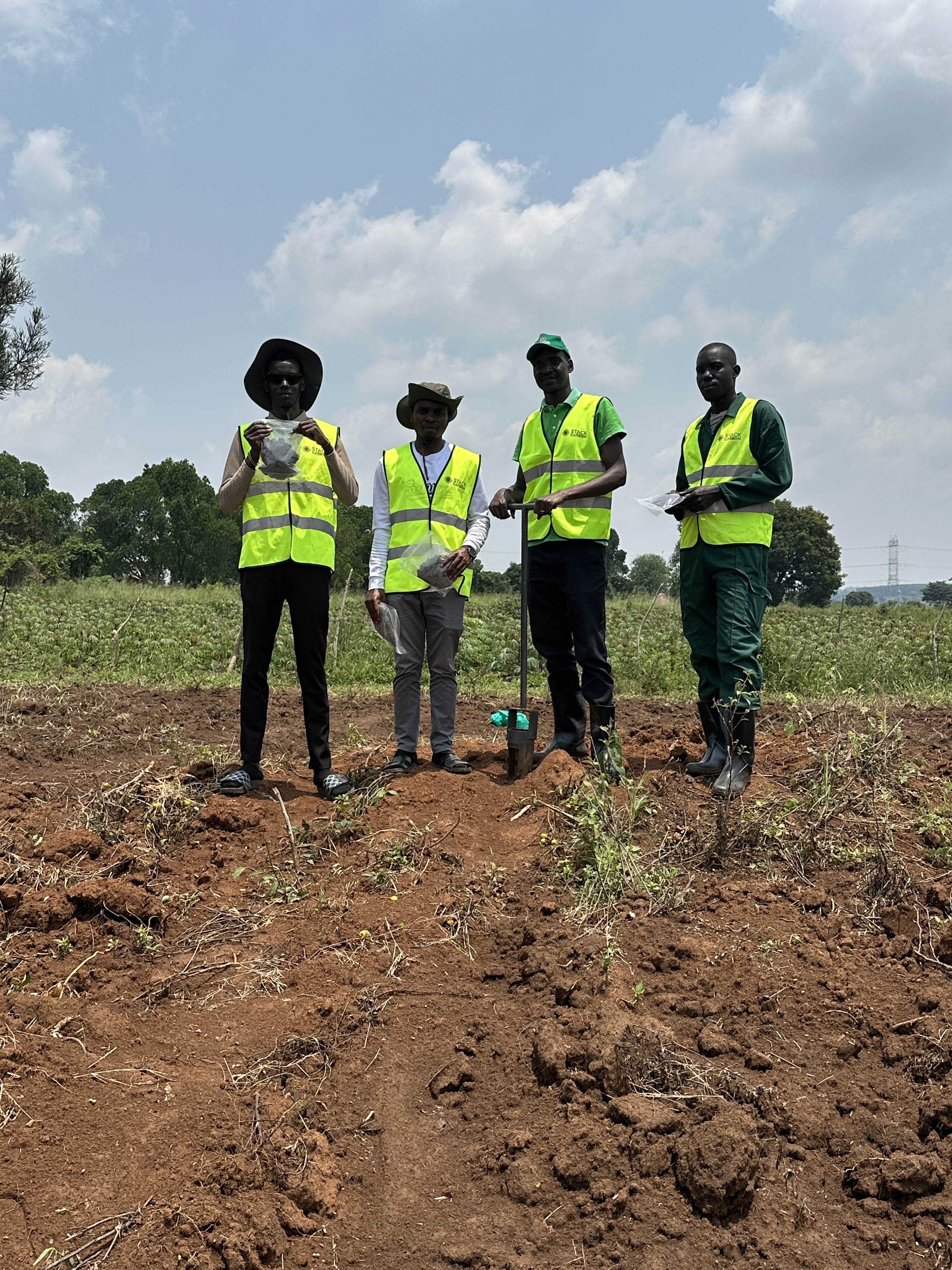
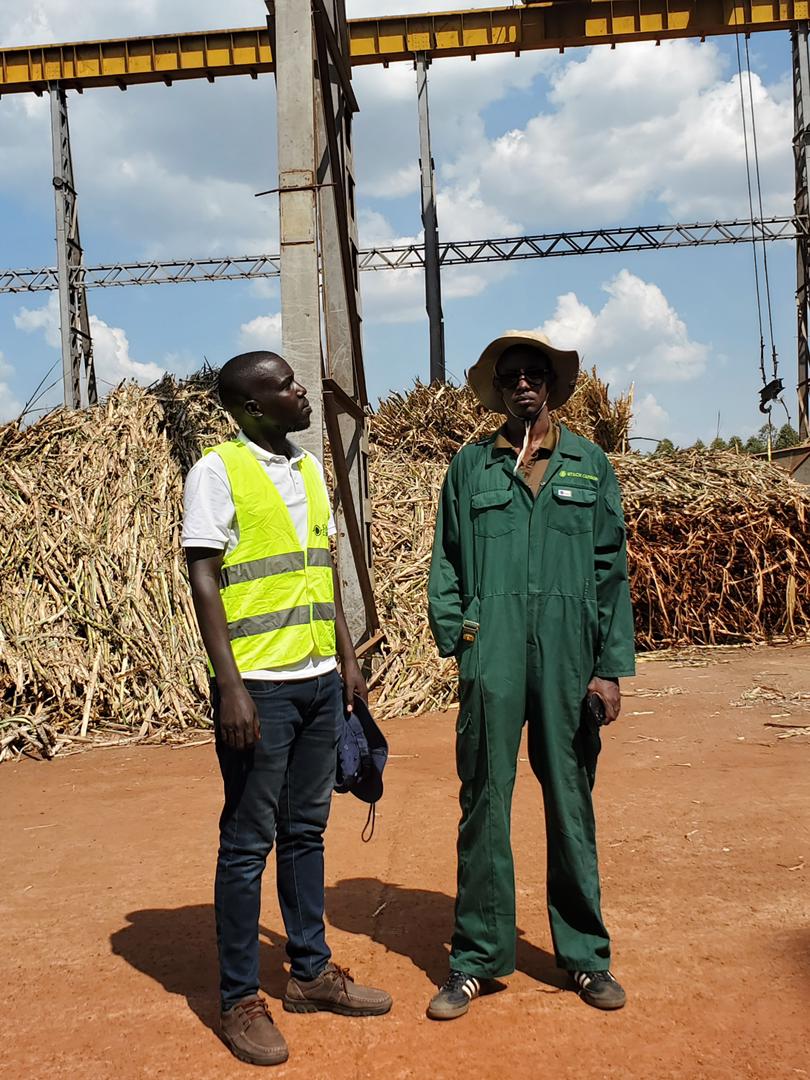
The Nile Char Project is a cornerstone of our circular economy model. By converting organic residues into high-stability biochar, we create a powerful carbon sink that restores degraded African soils while generating renewable energy. This project turns surplus biomass into a scalable asset that delivers permanent atmospheric removal and transformative agricultural savings.
Nile Char utilizes controlled thermochemical conversion to lock carbon into a solid, stable form that persists for centuries.
Targeting the permanent sequestration of 30,000 tonnes of CO₂ per year.
Engineered to produce over 10,000 tonnes of biochar annually for large-scale agricultural application.
Improving soil structure enables farmers to reduce synthetic fertilizer costs by up to 70%.
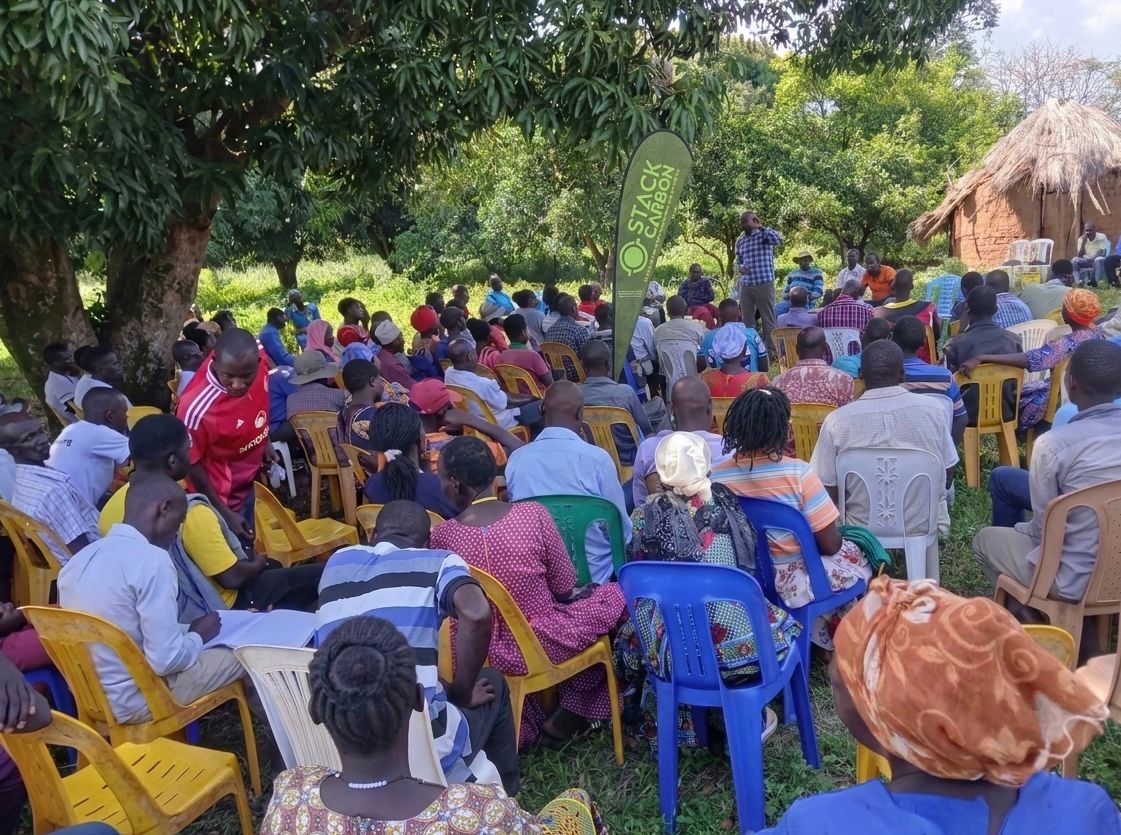
Creating rural jobs in pyrolysis operations, maintenance, and feedstock logistics.
Driving up to a 25% increase in yields by restoring microbial health and moisture-holding capacity.
Inquire about portfolio availability, delivery schedules, credit specifications, and MRV documentation. We’ll share next steps for procurement.